Health
Our Kids Deserve Online Protections That Follow Them Everywhere
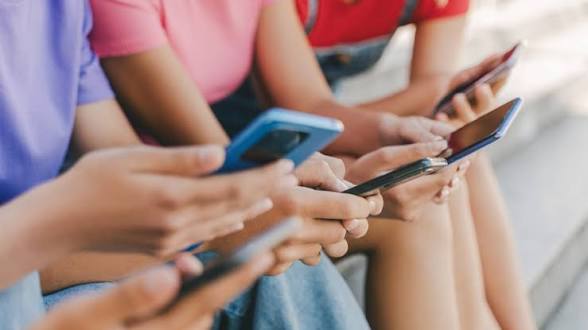
By Victoria Cortez With seven kids and five of them learning online, our house is always bustling. Like most parents, I watch my children deal with their phones every day. Social media helps them stay in touch with friends and find their interests, but it also brings constant distractions, anxiety, and pressures that no teenager should have to handle alone. It doesn’t matter if your child walks into a neighborhood high school or logs into class from the kitchen table. As parents, we all want the exact same thing: happy, healthy kids who know how to set good boundaries with technology. Social media isn’t going away, and simply taking phones away isn’t realistic for today’s families. What we really need is for tech companies to build basic safety features directly into these apps by default. We are finally starting to see real progress. Under the settlement California reached with Meta this past summer, Instagram and Facebook agreed to mute notifications during the school day and shut down access late at night. Most importantly, these settings turn on automatically instead of being buried deep inside privacy menus. School hours should be for learning, and late nights should befor sleep. California public schools are already taking action. Under state law, districts and charter schools across the state are putting rules in place to restrict phones during the school day. But keeping kids focused can’t end at the classroom door. For the thousands of Latino families across California whose kids attend virtual public schools, those same distractions happen right in our living rooms. Parents are doing everything we can, but we can’t compete with apps designed to hook our children’s attention around the clock. Attorney General Rob Bonta deserves credit for holding Meta’s feet to the fire after years of inaction. California secured a $1.5 billion settlement over the next decade to help address the mental health crisis tied to social media. In Latino neighborhoods and underserved communities where mental health care is already hard to come by, these dollars are desperately needed. Still, holding Meta accountable is only half the battle. If you spend five minutes with a teenager, you know they bounce between the same videos and creators across YouTube and TikTok all day long. If an app timer locks them out of Instagram, they don’t pick up a book. They just switch over to TikTok or YouTube Shorts. Fixing only Instagram and Facebook leaves the door wide open everywhere else. Despite being based right here in California, YouTube hasn’t agreed to the same rules. Neither has TikTok. YouTube points to optional tools parents can turn on, but working moms and dads don’t have hours to sift through fine print and settings on five different devices. If voluntary settings worked, our kids wouldn’t be in this situation to begin with. On top of that, until YouTube and TikTok step up and join this agreement, about $600 million in settlement money for California youth remains locked away. For California’s 5.7 million public school students, that funding could hire more school counselors, fund digital literacy programs, and give young people the mental health support they need right now. No matter where or how our kids go to school, their safety and peace of mind shouldn’t depend on which app they happen to open. Parents need real backup. It is time for YouTube and TikTok to stop stalling, adopt the same default protections, and put our children ahead of screen time. About the Author: Victoria Cortez is a California parent leader, virtual public school advocate, and board president. She is a mother of [...]