
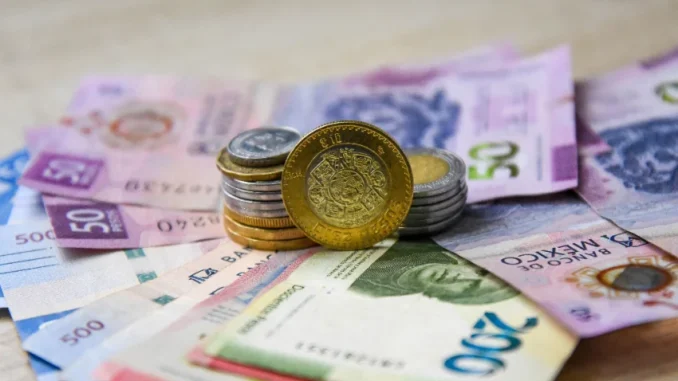

MEXICO CITY – Almost nobody saw this coming. At the start of 2025, Mexico’s central bank and Wall Street alike expected the peso to weaken toward 21 pesos per U.S. dollar.
Instead, it has surged past 18 pesos per dollar, making it one of the best-performing emerging market currencies despite sluggish economic growth and persistent trade tensions with Washington.
The rally has revived talk of the “super peso.” But for an economy that sends more than 80% of its exports to the United States, a stronger currency is becoming a mixed blessing, already squeezing the margins of some exporters.
Mexico’s currency was trading at 18.9 pesos per dollar on Nov. 18, capping a near-20% surge against the dollar since January 2025, LSEG data showed.
The peso is one of the most-traded emerging market currencies.
The peso has been supported by several factors – chief among them a softer dollar. Having shed more than 10% against a basket of major currencies in 2025, the dollar has largely stabilized this year.
“(The peso) is not unusually strong compared to other emerging market currencies,” said Graham Stock, senior sovereign strategist at RBC BlueBay Asset Management. “The dollar has been weak compared to previous cycles.”
Carry-trade inflows have also helped, with investors drawn to Mexico’s relatively high interest rates, liquid markets and easy access to local assets from stocks to bonds.
The central bank’s benchmark rate has been at around 7%, compared with about 3.75% for the Federal Reserve. The currency tends to benefit when investors are willing to take on risk and the dollar is weak, although those flows can reverse quickly if rate differentials narrow or sentiment deteriorates.
Be the first to comment